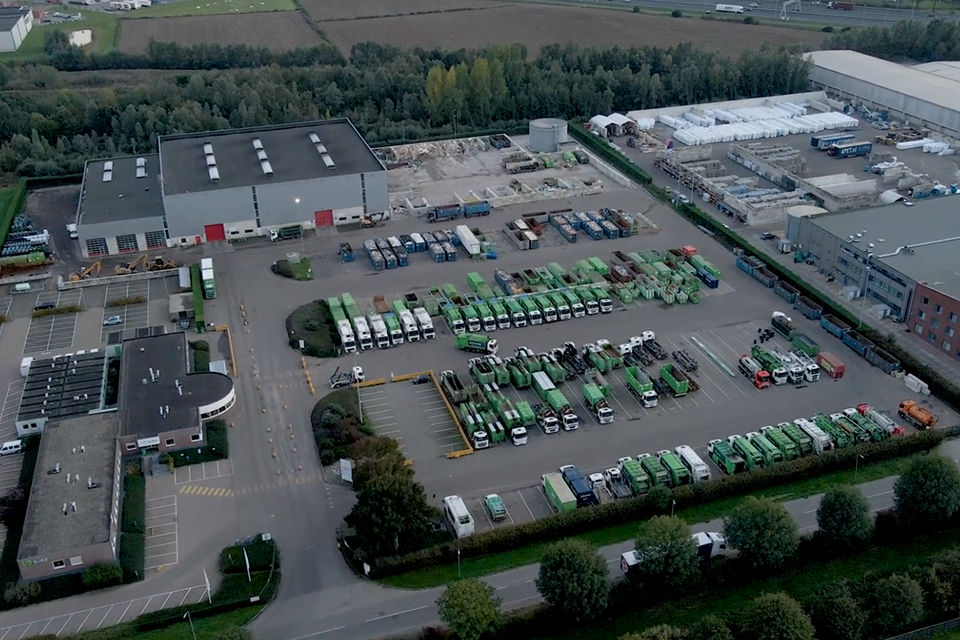
Olfactometry laboratory
We specialize in conducting odor analyses based on the measurement of emissions of odor substances from sources using accredited methods with the use of dynamic olfactometry according to the applicable standards PN-EN 13725:2022-07 and VDI 3880:2011 and modeling the dispersion of odors in the air around the plant based on the reference methodology contained in the ordinance on reference values of substances in the air (Journal of Laws of 2010, item 87).

The result of measuring the emissions of odor substances is the level of concentration of odor substances expressed in ouE/m3 (European Odour Unit).
It can also be converted to the load of emitted odor substances introduced into the air per unit of time, ouE/h. The concentration of odor substances measured in this way is the sum of the effects of all compounds contained in the tested mixture, taking into account the mutual interactions between these compounds, which can enhance or weaken the odor.
We do not measure individual compounds, but specifically measure the concentration and emission of odor substances.
Such measurements are essential for assessing the plant’s impact on the olfactory quality of the air because the criteria for this assessment are also based on the concentrations of odor substances in the unit ouE/m3 and the frequency of occurrence of odor substances in sensitive areas. It is not possible to reliably determine the level of impact on olfactory air quality by other methods.
Comprehensive odor analysis
- Assistance in identifying and selecting emission sources within the plant that may cause the emission of odor substances into the air.
- Assistance in pointing out sources necessary for measurement
- Carrying out accredited measurements of the amount of emission of odor substances from sources indicated in item 2.2.
- Creation of a mathematical model of the plant in terms of sources of odor substance emissions into the air.
- Assistance in identifying potentially protected areas due to the emission of odor substances.
- Modeling of odor substance levels in the air around the plant, resulting in:
- determining maximum concentrations of odor substances around the plant for a 1-hour period, including plotting isolines of these concentrations,
- determining the frequency of occurrence of odor substances around the plant, including plotting isolines of frequency,
- determining concentrations and frequency of occurrence of odor substances in potentially protected areas (residential areas), taking into account its height,
- determining the contribution of individual emission sources to concentrations or frequency of odor occurrences in selected points representing potentially protected areas,
- assessment of the plant’s impact on the olfactory quality of the air in its surroundings concerning the proposed normative values.
Benefits of the analysis performed using the method proposed by BioDrain:
- -unambiguous and indisputable determination of the actual level of impact on the olfactory quality of the plant’s air (without the influence of any other emission sources),
- -determining concentrations or frequency of odor occurrences at any point in the computational grid around the plant,
- -identification of significant sources of odor substances emission into the air,
- -determining the level of emission of odor substances from the plant area,
- -indicating the contribution of individual sources to the impact on the olfactory quality of the air around the plant,
- -possibility of designing changes in the installation if it is necessary to limit the plant’s impact on the olfactory quality of air.
Do you want to know more?
Contact us to learn more.